
How to Watch FIFA World Cup 2026 in Bali with Telkomsel MAXStream
Watching FIFA World Cup 2026 in Bali is easy with Telkomsel MAXStream. BaliEasy can help you set it up. There

Many travel eSIMs allow hotspot in theory, but in practice apply strict Fair Usage Policies (FUP) that make tethering unreliable for work or long stays.
Below is a realistic comparison of the most popular eSIM options used by foreigners in Bali, based on real traveler experiences, pricing, and hotspot usability.
BaliEasy’s Telkomsel eSIM allows hotspot and tethering without a specific daily cap imposed by the service itself. Users can share their mobile data connection with laptops, tablets, or secondary devices as needed.
Because it operates as a local Telkomsel carrier eSIM, hotspot behavior follows standard local network rules rather than travel-eSIM restrictions.
This makes BaliEasy a practical option for travelers who regularly use laptops, attend video calls, upload files, or rely on multiple connected devices throughout the day.
Pricing
BaliEasy uses a transparent, data-based pricing model instead of “unlimited” plans with Fair Usage limits.
This provides significantly more usable data per dollar than most travel eSIMs. It is especially cost-effective for 10–30 day stays and hotspot users.
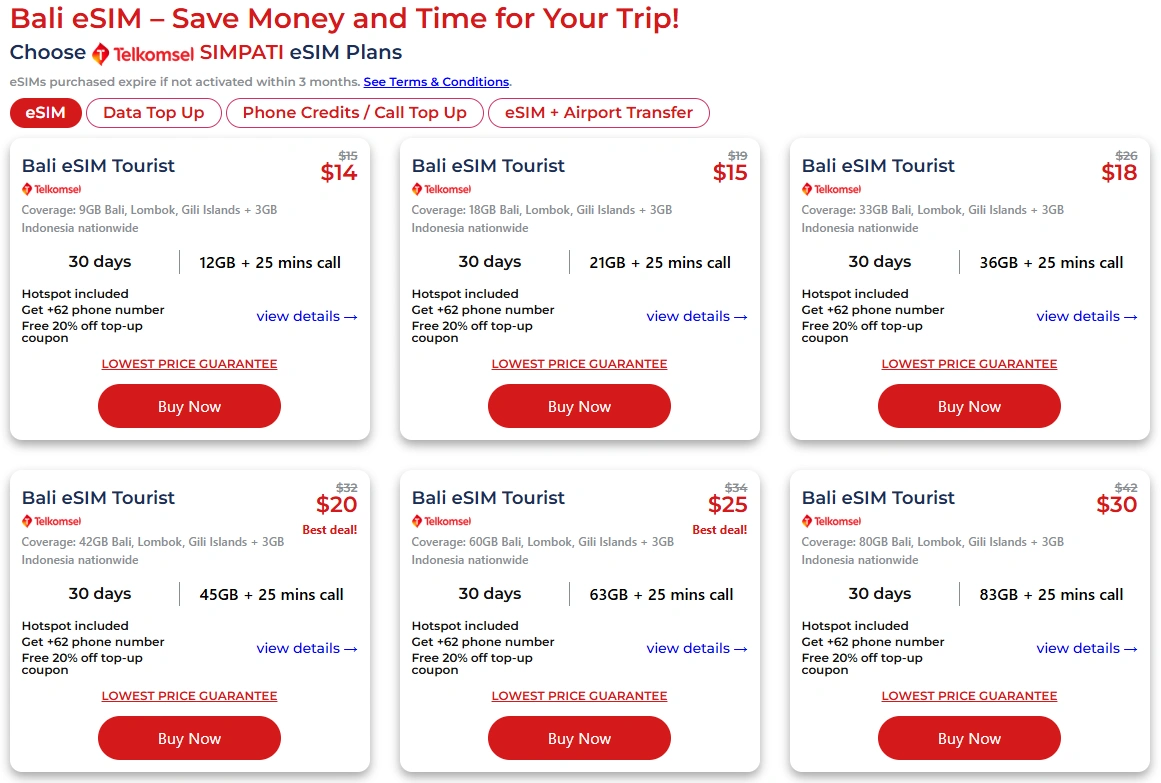
If you run out of data, BaliEasy allows easy online top-ups without reinstalling the eSIM. Your existing eSIM and number remain active after topping up. This is useful for travelers who underestimate data usage or extend their stay. Many international eSIMs require buying a new plan instead.
Holafly does allow hotspot/tethering, but this is one of the areas where many travelers notice practical limits. In Facebook discussions, Bali travelers often mention that while the plan is marketed as “unlimited” for phone use, hotspot sharing is capped, commonly around 500 MB per day.
That means hotspot works for quick tasks (emails, light browsing, opening documents), but feels restrictive if you rely on a laptop.
One traveler summarized it clearly:
“Get a physical sim
7 days holafly – $36.90
Unlimited data but data sharing is just 500mb per day”
Source: Facebook
Pricing
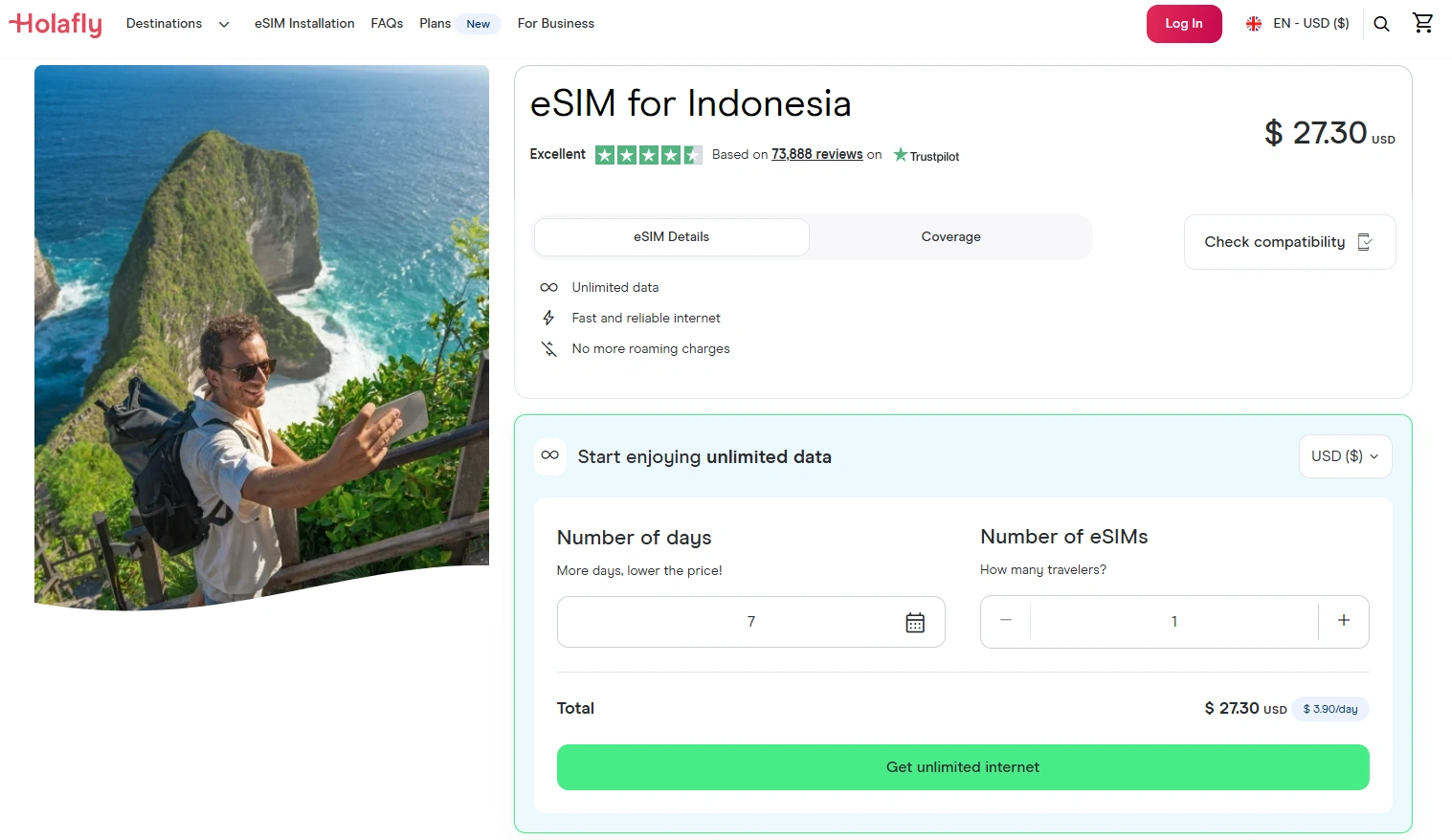
Holafly uses a day-based unlimited model, usually around USD 5–6 per day, with lower daily cost for longer stays. It’s convenient and predictable for phone usage and is popular with travelers moving between countries in Southeast Asia.
However, hotspot usage is subject to a Fair Usage Policy, and tethering is typically capped at around 500 MB per day. For a 7-day trip, that’s roughly 3.5 GB total hotspot data, which is fine for maps and chat, but limiting for laptops, video calls, or content-heavy apps.
Airalo’s hotspot behavior depends on the specific plan and local partner network. In many cases, tethering works, but Airalo does not explicitly guarantee unrestricted hotspot usage across all plans.
For plans marketed as “unlimited,” hotspot is commonly affected by Fair Usage Policies.
After moderate daily usage, speeds may be reduced, which directly impacts tethering quality, especially for video calls or sustained laptop use.
Travelers frequently report that hotspot performance becomes inconsistent once higher usage levels are reached, making Airalo less suitable for work-from-Bali setups.
Pricing
Airalo uses a fixed-data model (e.g. 1–5 GB, 10 GB, up to around 50 GB). While this works well for maps and messaging, the price per GB becomes high as data needs increase.
For longer stays, Airalo quickly becomes more expensive than BaliEasy when comparing real usable data and hotspot reliability.
Saily allows hotspot and tethering without requiring a special add-on, and shared data is deducted from the active plan.
Because Saily is a roaming eSIM, performance depends on local routing, network congestion, and location.
Like most travel eSIMs, usage is subject to a Fair Usage Policy (FUP), which may affect speeds during heavier use.
As a result, tethering generally works well for moderate usage but can be less predictable under sustained or high data demand.
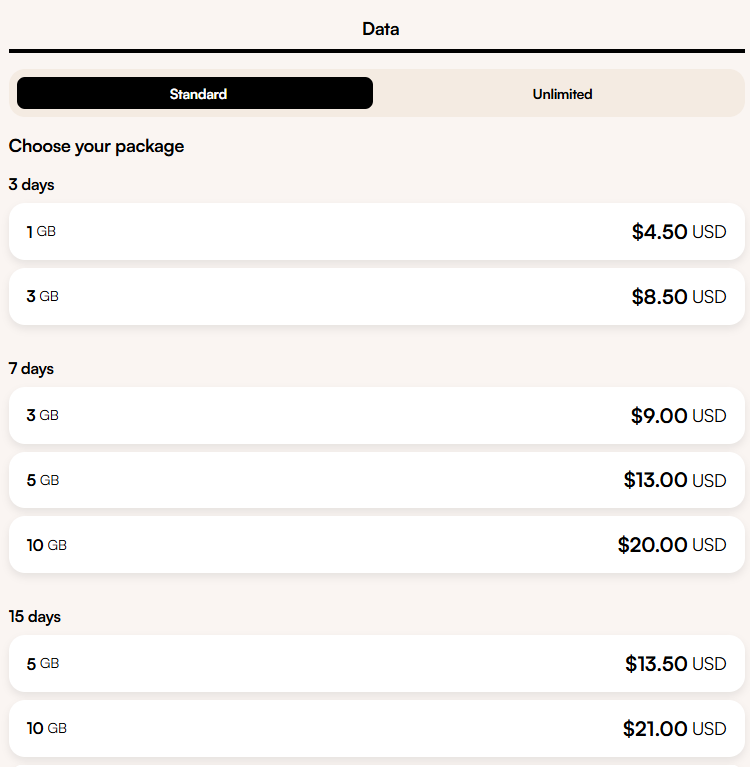
Pricing
Saily can be cheap for small data needs, but value drops quickly for longer stays.

For example:
This means Saily users often need multiple top-ups, making it less cost-effective than BaliEasy for extended stays or heavier hotspot use.
Yesim allows hotspot and tethering on supported plans, and travelers report that data sharing works across multiple devices.
As a roaming travel eSIM, performance depends on local network routing and congestion.
Like most “unlimited” eSIM plans, usage is governed by a Fair Usage Policy (FUP).
Exact speed limits or throttling thresholds are not always clearly disclosed, which can make performance less predictable for heavy users.
Pricing
Yesim offers:
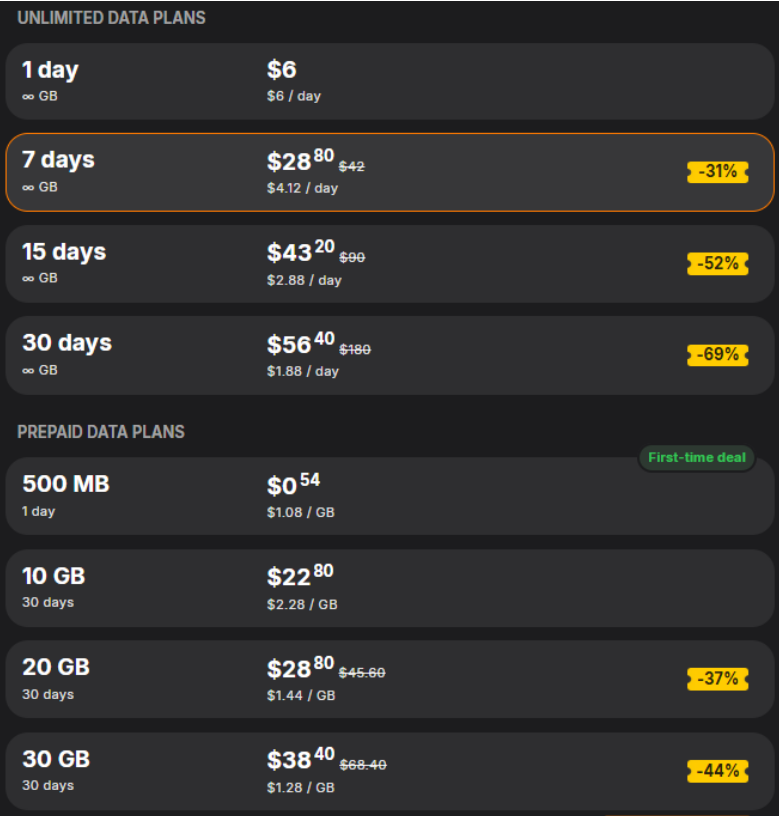
In practice, Yesim’s prepaid data is expensive compared to Bali-optimized options. For example:
Ubigi supports hotspot and tethering, and many travelers use it as a laptop hotspot.
As a roaming eSIM, its performance depends heavily on local routing, partner networks, and congestion levels. Speed and stability can vary by location and time of day.
This variability can affect tethering quality, especially during sustained or high data use.
On “Unlimited” plans, Fair Usage Policies apply, and any speed reduction affects hotspot devices as well.
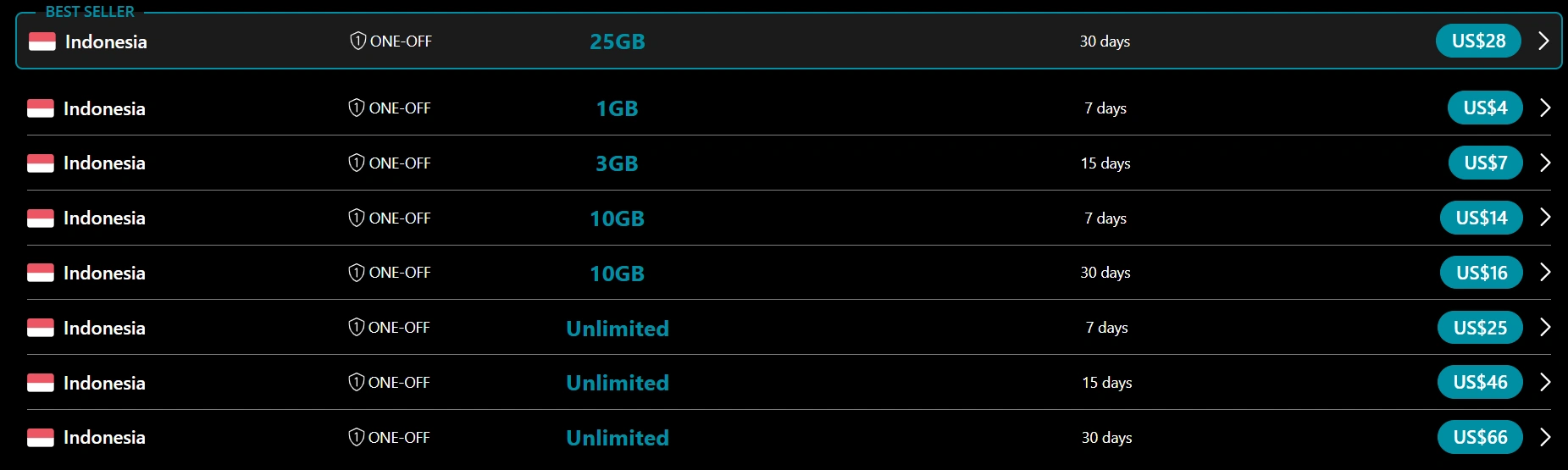
Pricing
Ubigi offers fixed-data and “Unlimited” travel eSIM plans with various validity periods, typically 7 to 30 days.
This structure fits best for short visits where you only need a small amount of data and don’t mind shorter plan validity.
However, on a price-per-GB basis, Ubigi is usually more expensive for longer stays, for example, around USD 14 for 10 GB with 7-day validity, after which a new plan must be purchased.
If hotspot/tethering is important, especially for laptops, remote work, or long stays, BaliEasy is the best overall choice.
Unlike most international roaming eSIMs that rely on FUP-limited “unlimited” plans, BaliEasy focuses on:
For phone-only users or short holidays, options like Holafly or Airalo may be sufficient.
But if you actually depend on tethering, BaliEasy consistently offers the most practical and reliable experience in Bali.
Watching FIFA World Cup 2026 in Bali is easy with Telkomsel MAXStream. BaliEasy can help you set it up. There
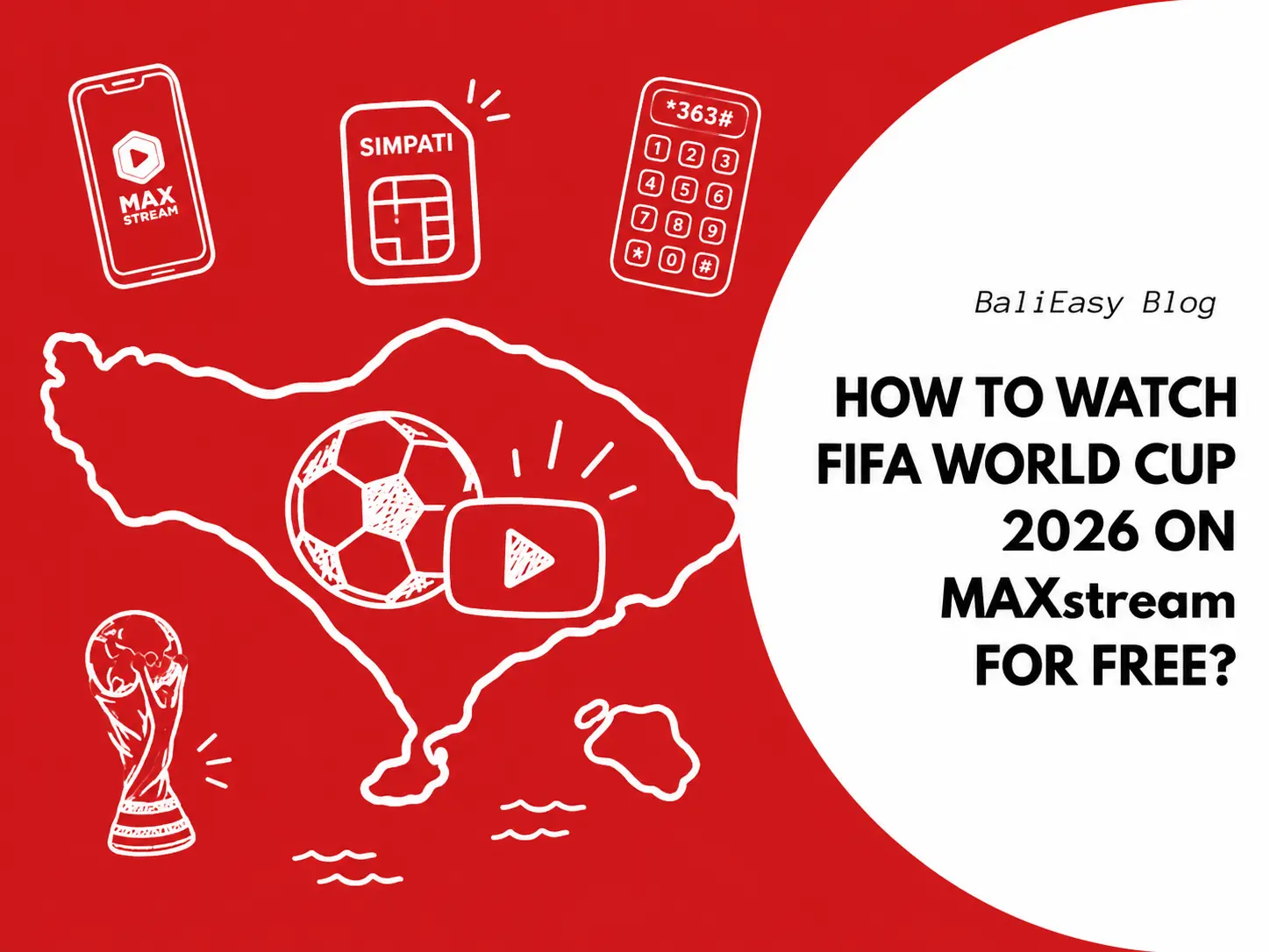
Good news for Telkomsel SIMPATI users. After registering your Telkomsel SIMPATI eSIM or SIM card, you can claim the Bola
Discount Applied Successfully!
Your savings have been added to the cart.